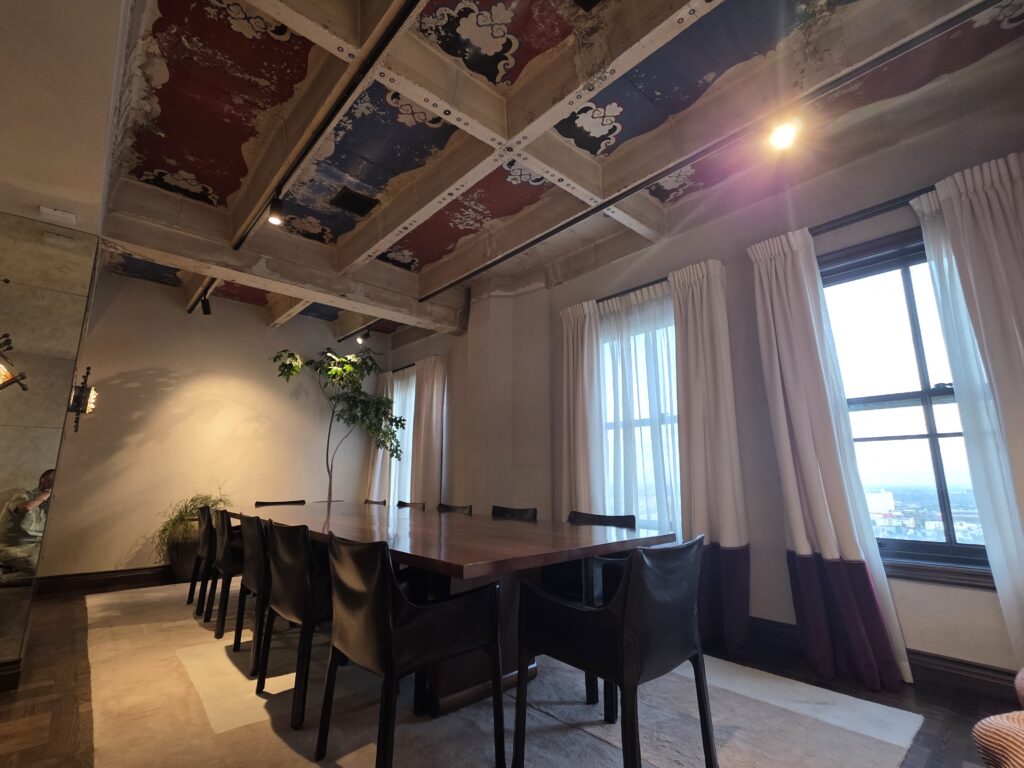
Description
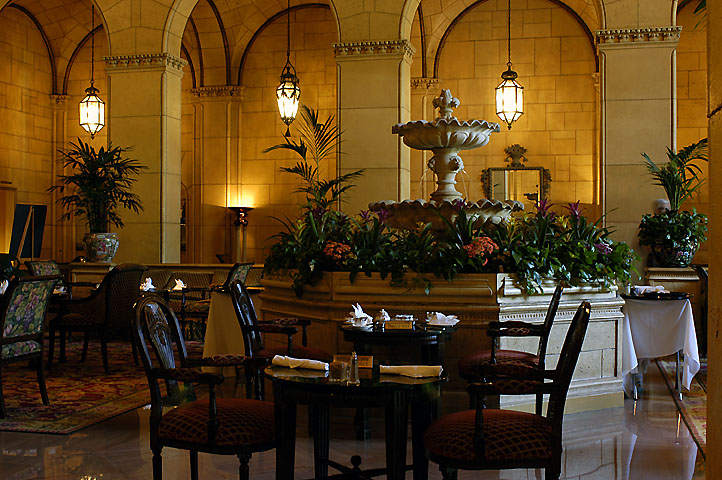
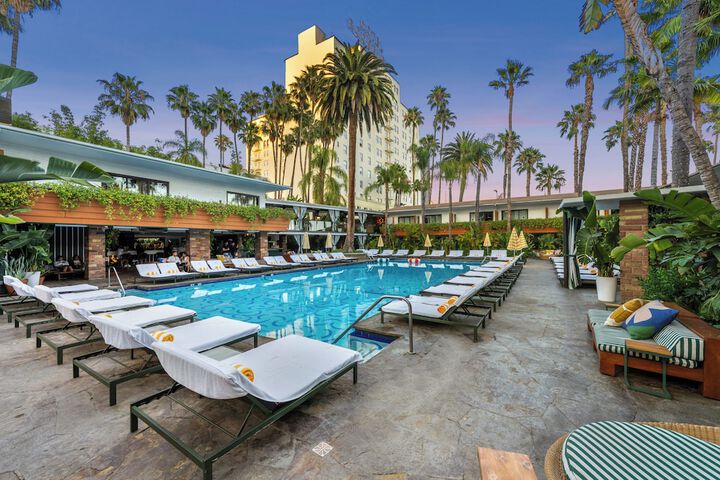
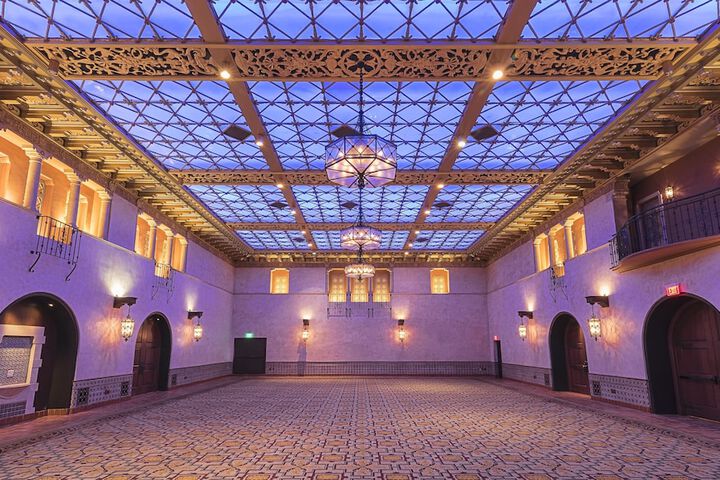
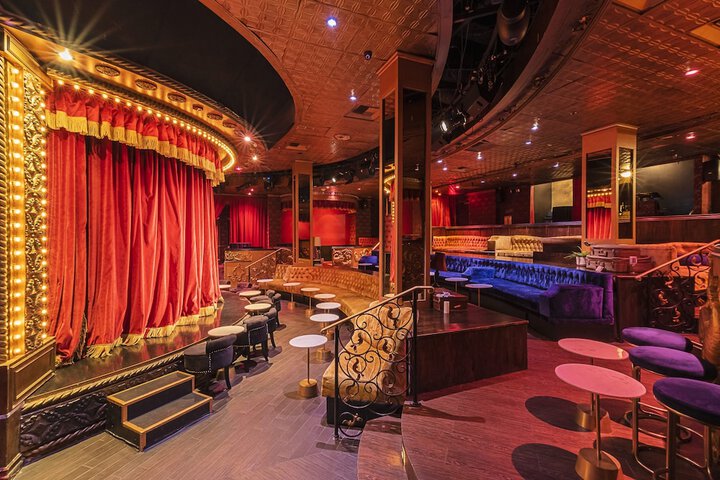
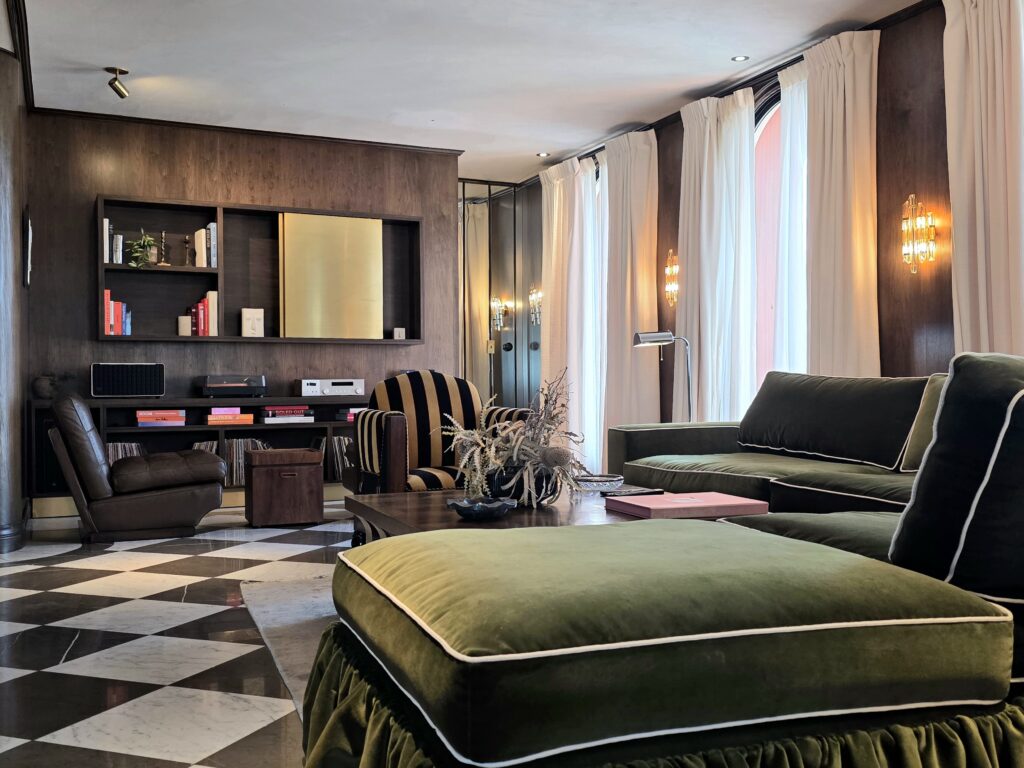
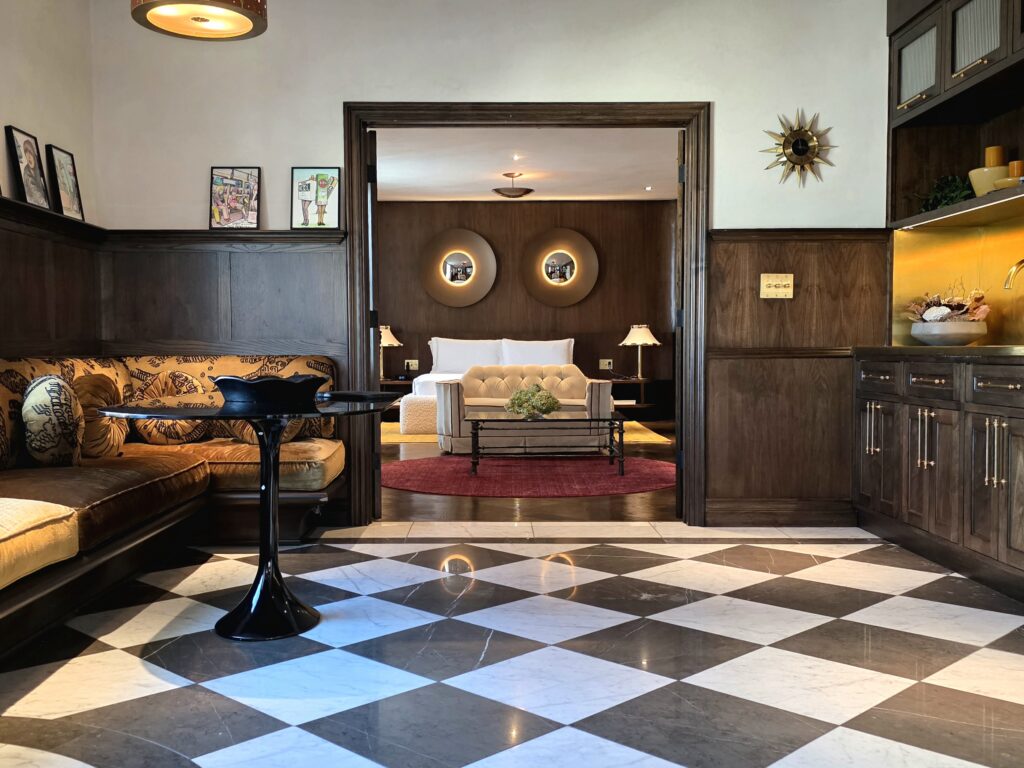
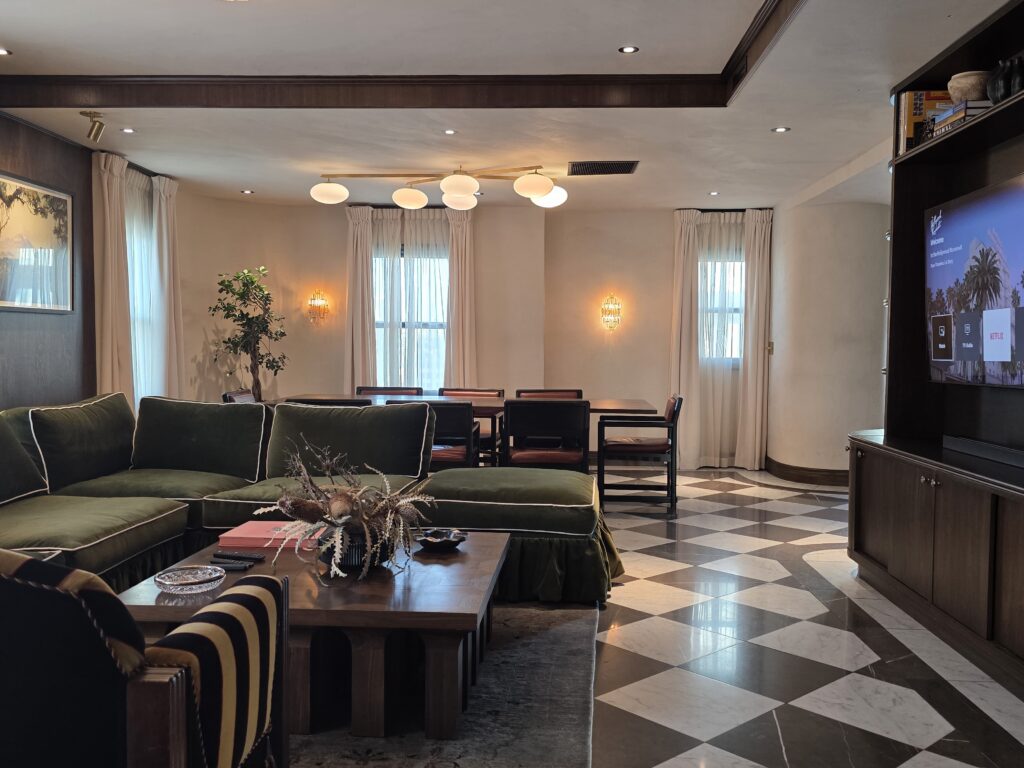
The Hollywood Roosevelt Hotel is far more than just a luxurious resting place—it acts as a living, breathing time capsule for the entertainment industry. Opening its doors in 1927 and famously hosting the very first Academy Awards in 1929, the hotel has spent nearly a century serving as a glamorous backdrop, a bustling production hub, and a haven for real-life movie stars. From a filmmaking perspective, its architectural versatility is unparalleled. Directors are drawn to the moody, ornate Spanish Colonial Revival lobby with its grand arched walkways and historic tiled staircases—where a young Shirley Temple reportedly learned her signature tap-dance routine—just as much as they are drawn to the mid-century modern allure of the Tropicana Pool, which features a million-dollar underwater mural painted by famed artist David Hockney. Because the property effortlessly transitions between different eras of American history, it has seamlessly portrayed a diverse range of eras on screen. It stood in for a sun-drenched 1960s Miami motel in Steven Spielberg’s Catch Me If You Can, hosted Michelle Pfeiffer’s sultry, piano-top rendition of “Makin’ Whoopie” in The Fabulous Baker Boys, and captured the gritty, neon-soaked aesthetic of the 1980s in Beverly Hills Cop II. Television has been equally enamored with the property, utilizing its iconic rooftop neon sign for moody establishing shots in Lucifer, its vintage corridors for period-accurate drama in The People v. O.J. Simpson, and its pool deck as a paparazzi-filled reality TV hangout in MTV’s The Hills. For decades, the Roosevelt has maintained a dual identity: it is an active, upscale destination for travelers, yet at any given moment, a quick camera angle can transform its historic walls into an entirely different world, cementing its status as one of the most versatile and culturally significant filming locations in Los Angeles.