
How Location Scouting Enhances Storytelling
In film, television, and even documentary work, location scouting is often thought of as a logistical task—something to check off the pre-production to-do list. But in reality, the locations we choose are never neutral. The right setting doesn’t just house the action; it amplifies it, deepens it, and in many cases, transforms it.
Great storytelling is about making every element of a film work in harmony: script, performance, lighting, costume—and yes, location. When chosen with intention, locations can act as silent narrators, emotional amplifiers, symbolic devices, or even characters in their own right.
1. Locations Reveal Character and Backstory
A character’s environment is a reflection of their internal world. It shows us who they are, where they’ve been, and what they value. The right setting can communicate personal history, socioeconomic status, or emotional state—all without a single line of dialogue.
The Home as a Mirror
Consider how different a character appears depending on the interior of their home:
A cluttered, dimly lit apartment filled with personal memorabilia may signal nostalgia, loneliness, or a refusal to let go of the past.
A modern, minimalist condo with pristine white walls and no personal touches may suggest emotional repression, control issues, or a carefully curated public image.
A suburban family home with toys strewn about and half-eaten cereal bowls may evoke warmth, chaos, or the comforting hum of everyday life.
In each case, the space is more than a location—it speaks about the person who inhabits it.
Workspaces Tell Their Own Story
A character’s professional environment can serve as a shorthand for their life trajectory, ambitions, or frustrations:
A junior executive working in a cold, towering high-rise may be chasing power and prestige, but feels invisible or lost in the corporate machine.
A mechanic surrounded by grime, rust, and vintage tools might reflect someone who works with their hands and clings to tradition or old values.
A teacher’s cramped, underfunded classroom can subtly signal dedication in the face of systemic adversity.
By choosing the right space, storytellers can add texture to the narrative without spelling it out in dialogue or exposition.
2. Setting Amplifies Mood and Emotional Tone
Beyond character, a location has the power to establish or dramatically influence the emotional tone of a scene. The textures, lighting, weather, and layout of a place create a visceral response in the audience before a character even speaks.
Setting the Emotional Stage
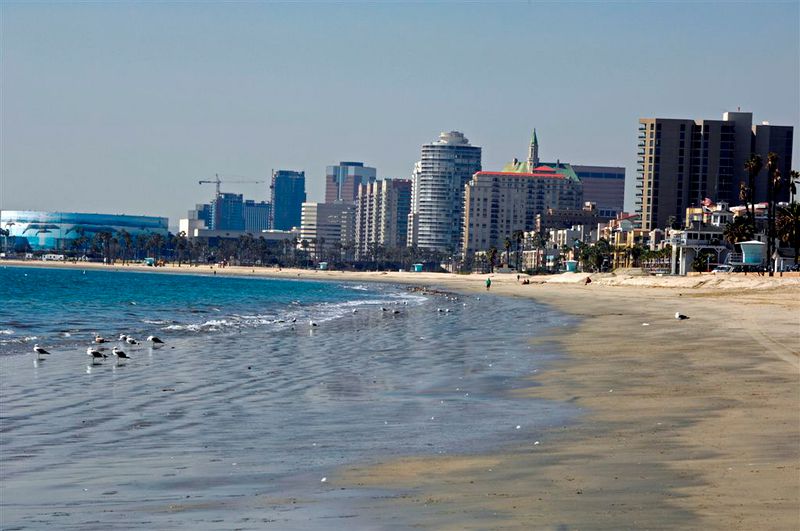
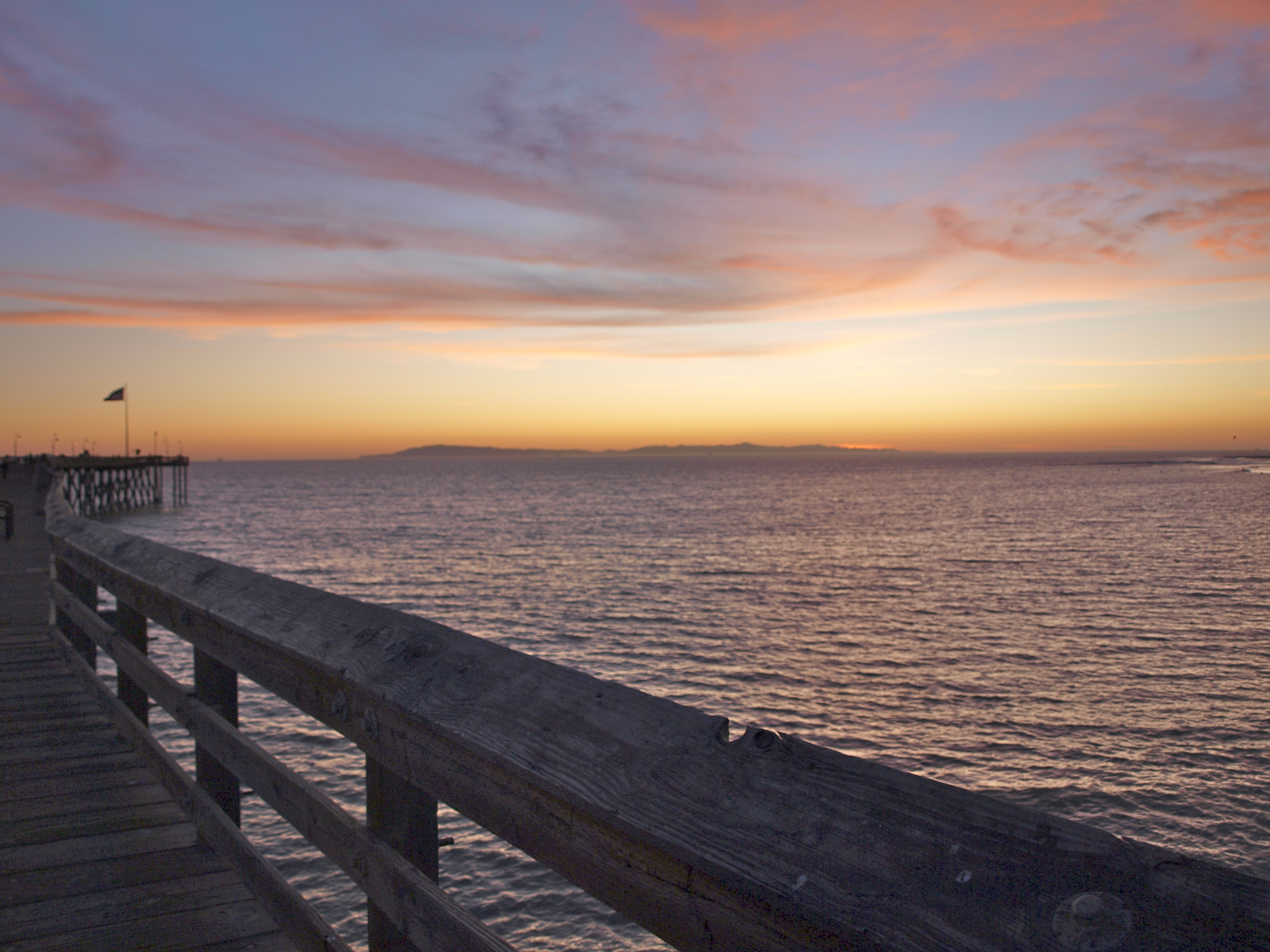
A desolate beach at sunrise may evoke reflection, peace, or the beginning of transformation.
A cramped stairwell lit by a flickering bulb can stir feelings of anxiety or claustrophobia.
A wide-open prairie under a thunderstorm brings drama, unpredictability, and awe.
Cinematographers and directors often refer to the “emotional geography” of a location—how a space makes you feel, not just how it looks. Good location scouts are tuned into this instinctively.
The Power of Contrast
One of the most potent storytelling tools is juxtaposition—placing emotionally dissonant events in unexpected locations. The contrast between what happens in a scene and where it happens can create deeper discomfort or irony.
A violent crime in a pastel-colored suburban neighborhood (e.g., Blue Velvet) feels more disturbing than if the same event took place in a shadowy alley.
A breakup scene in a beautiful mountaintop setting can emphasize emotional isolation or a sense of being “on top of the world but totally alone.”
When location and narrative are at odds, it invites the audience to pay closer attention—and that tension can be incredibly powerful.
3. Locations as Plot Devices and Story Engines
Locations aren’t just containers for action—they can create action. A well-chosen setting can dictate characters’ decisions, limit or expand their freedom, and even serve as a source of conflict or transformation.
Setting as Adversary
In some stories, the setting itself becomes an antagonist, a living force that challenges or threatens the characters.
In The Shining, the Overlook Hotel is more than a location—it’s a psychological pressure cooker that drives the protagonist to madness.
In 127 Hours, the Utah canyon becomes a prison, forcing the main character to confront his mortality and ultimately transform.
The geography of these stories shapes their entire structure. The characters must react to the limitations, dangers, or isolation the location imposes.
Forcing Growth Through Displacement
Placing characters in unfamiliar or hostile environments can accelerate character arcs and spotlight personal change.
A wealthy protagonist stranded in a rural town may experience a humbling loss of status.
A character navigating a foreign country might face language barriers, cultural misunderstandings, or existential crises.
This is the heart of the “fish out of water” trope. The unfamiliar setting generates conflict, tests identity, and drives evolution.
4. Iconic Imagery and Thematic Symbolism
Some of the most memorable moments in film history are inseparable from their locations. A perfectly chosen setting can become iconic—symbolizing themes, values, or emotional stakes in a single visual moment.
Thematic Echoes Through Landscape
The Namibian desert in Mad Max: Fury Road isn’t just a backdrop—it’s barren hostility reflects a world stripped of morality and law.
The frozen wilderness in The Revenant isn’t just scenery—it externalizes the brutality of nature and the protagonist’s inner torment.
These settings are not interchangeable—they are integral to the story’s meaning.
Visual Foreshadowing and Subliminal Messaging
Sometimes a location serves a quieter symbolic role, adding a layer of meaning that may only register subconsciously:
A couple arguing in a graveyard might foreshadow death or the end of their relationship.
A child playing near a crumbling building could reflect innocence against a backdrop of decay or societal collapse.
These metaphoric uses of space elevate a story beyond plot, allowing locations to speak in visual language.
5. Authenticity, Immersion, and Credibility
Lastly, real-world locations add a level of authenticity that’s difficult to replicate on a soundstage. The imperfections, ambient sound, natural lighting, and local textures of a real environment create immersion and believability.
Emotional and Sensory Realism
A scene filmed in a working-class neighborhood has a different energy than a recreated set.
A documentary that captures the real environment of its subjects adds weight and credibility.
Audiences are finely tuned to notice when something feels artificial. Authentic locations can disarm skepticism and deepen emotional investment.
World-Building Through Environment
In genre films—such as sci-fi, fantasy, or period dramas—real-world locations help anchor the fantastical in the familiar. Consider how Game of Thrones utilized real castles, mountains, and coastal towns to ground its magical realism in tactile reality.
Conclusion: When a Location Becomes a Character
Great filmmakers and storytellers understand that a location is never just a backdrop. When selected with care and narrative intent, it becomes a character in its own right—speaking silently but powerfully, guiding the audience through emotional and thematic terrain.
Whether it reflects character psychology, shapes the plot, delivers symbolism, or creates an unforgettable mood, the right location can elevate a story from good to masterful.
Ultimately, effective location scouting is not just about what looks good on camera—it’s about what feels right for the story. It’s about finding the place where your story comes alive.