

What Makes Los Angeles So Cinematic
Los Angeles isn’t just a backdrop—it’s a character. A city of illusions and realities, light and shadow, glamour and grit. For over a century, filmmakers have been drawn to LA not only because it’s the home of the film industry, but because it is, in itself, innately cinematic. It’s a place that feels like a movie the moment you arrive. So what gives Los Angeles that distinct, magnetic screen presence? It’s not just one thing—it’s a perfect storm of geography, architecture, mythology, and mood.
A Landscape Made for Storytelling
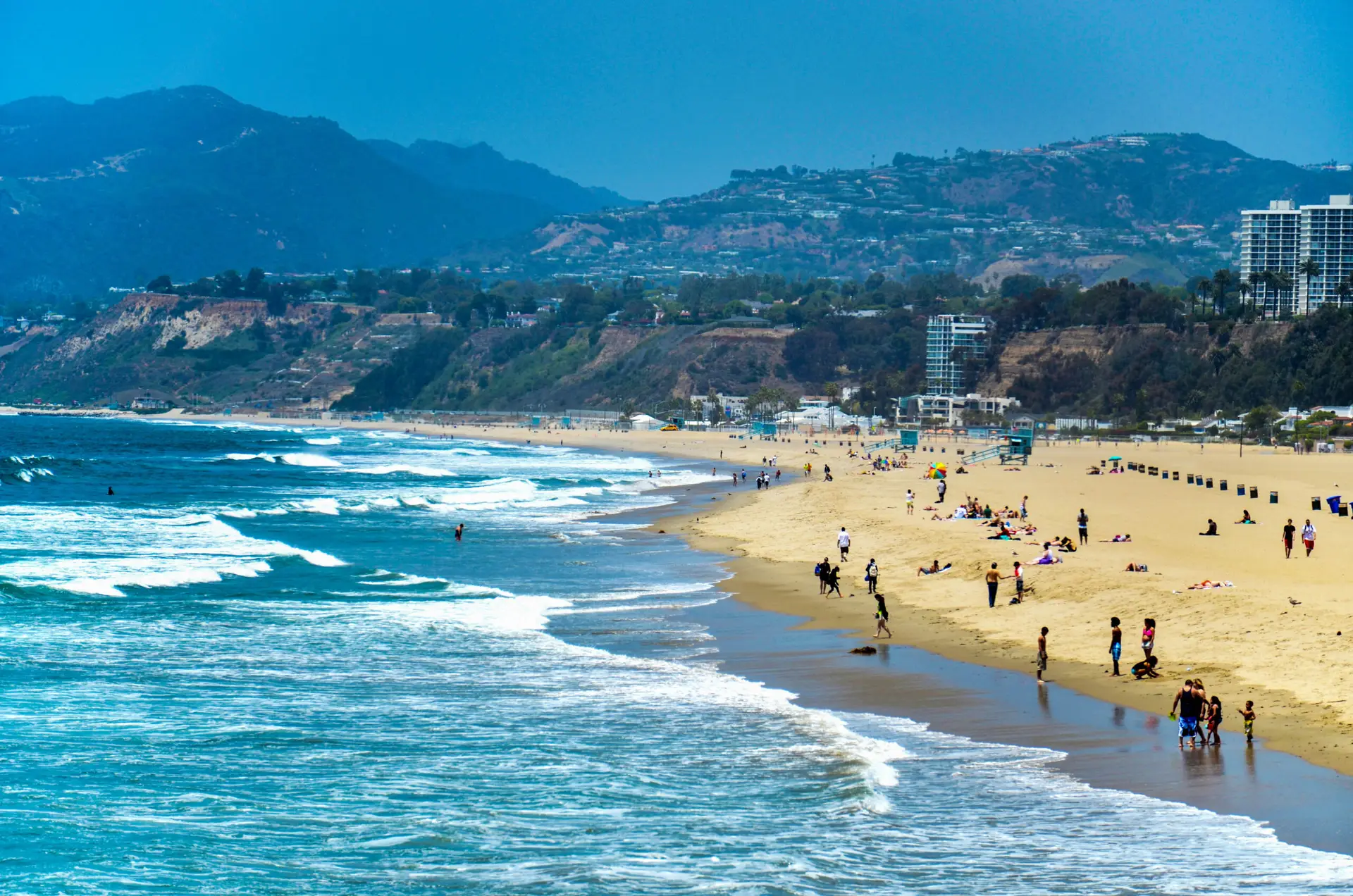
Few cities offer the kind of natural and urban contrast that Los Angeles does. Within the same day, you can film against the endless expanse of the Pacific Ocean, the jagged rocks of the Angeles National Forest, and the glow of neon bouncing off wet concrete in a Downtown alleyway. Drive 20 minutes in any direction, and the entire tone of your scene changes. Palm tree-lined boulevards turn into dusty desert highways. Sleek hilltop homes overlook industrial sprawl. Malibu’s crashing waves dissolve into the cracked pavement of East Hollywood. Every part of the city tells a different kind of story—romantic, dangerous, surreal, nostalgic. It’s a visual playground for directors and cinematographers.
The Golden Light of Dreams and Drama
Ask any DP what makes LA special, and they’ll often say one word: light. There’s something uniquely cinematic about Los Angeles’s sunlight. The city’s location near the Pacific, combined with its dry climate and slight haze in the air, creates soft, golden tones that bathe the city in warmth. During golden hour, the low sun drenches buildings in rich amber, casting long, cinematic shadows. The city seems to glow. The light makes people look softer, skies more painterly, and ordinary streets look like they belong in a dream sequence. Films like La La Land, Heat, and Mulholland Drive all use LA’s natural light as a storytelling device—it becomes part of the emotional landscape.
Architecture with Personality
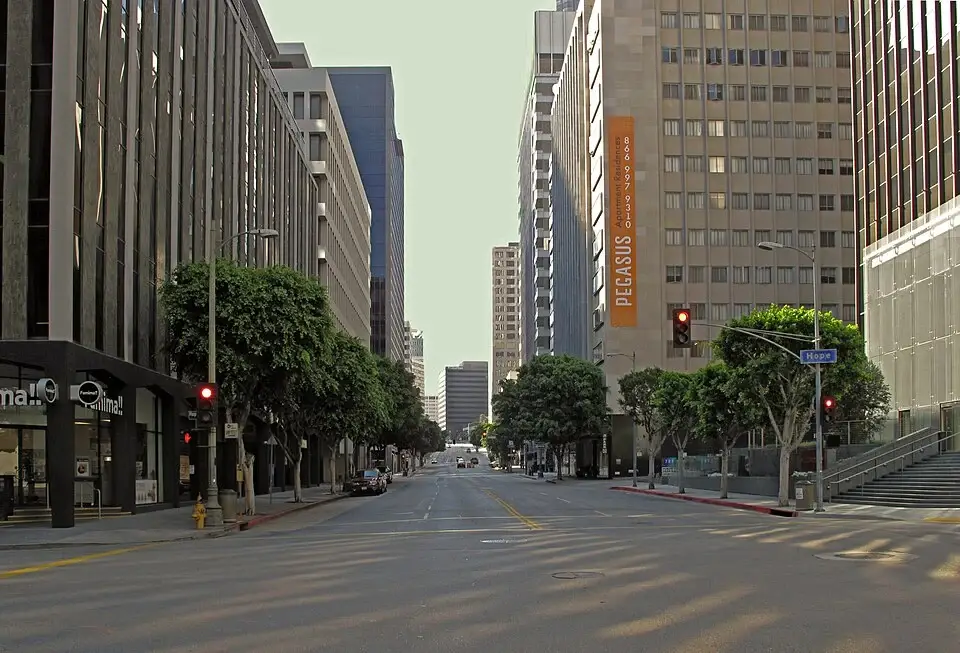
Los Angeles doesn’t have a single architectural identity—it has dozens. You’ll find Spanish Colonial courtyards, mid-century modern homes, brutalist civic buildings, neon-lit diners, 1920s theaters, and sleek, futuristic towers all within blocks of each other. This architectural chaos is exactly what makes it so cinematic. It gives directors options: want a noir mood? Shoot around the Deco facades on Broadway. Need a sleek, corporate dystopia? Head to Bunker Hill or Century City. Craving bohemian nostalgia? Echo Park bungalows and Sunset Boulevard’s cluttered shops deliver every time. LA doesn’t just offer backgrounds—it offers texture, tone, and character through its built environment.
A City Built on Myth
No other city in the world is so deeply tied to its mythology. Hollywood is both a place and an idea—the promise of fame, reinvention, transformation. That mythology is baked into the architecture, the signage, the very rhythm of the freeways. When you film in LA, you’re not just capturing a location—you’re tapping into a narrative about desire, ambition, and illusion. That’s why LA is such fertile ground for stories about dreamers, outcasts, artists, and criminals. Whether it’s Sunset Boulevard or Once Upon a Time in Hollywood, the city’s legacy becomes part of the film’s DNA.
Familiar, But Always Changing
There’s a strange familiarity to LA, even for people who’ve never been there. We’ve seen it a thousand times: the Hollywood Sign perched over the basin, traffic snaking along the 110, the hazy skyline at dusk. Yet Los Angeles never looks the same way twice. Neighborhoods evolve. Skylines shift. Murals appear, then vanish. Empty lots become luxury condos overnight. The city reinvents itself constantly, which means filmmakers always have fresh ground to explore. It’s eternally familiar and eternally new, which keeps it alive on camera.
Cinematic Movement and Space
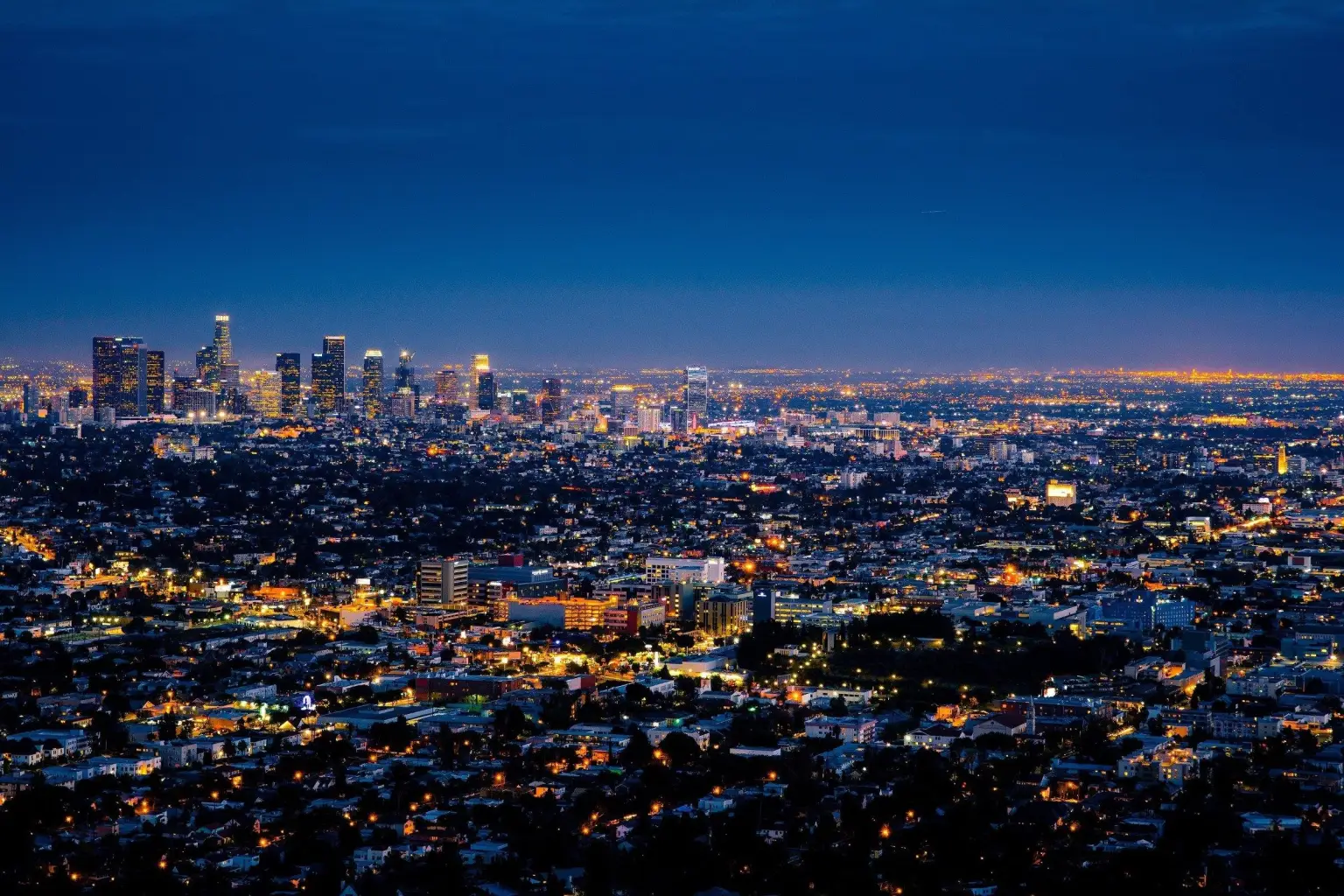
Unlike cities with tight, vertical grids (like New York), LA sprawls outward. It’s wide, layered, and open. That sense of horizontal space gives filmmakers the ability to choreograph motion—tracking shots along boulevards, crane shots over canyons, and aerials sweeping across the basin at night. Even LA’s endless freeways have become iconic symbols in cinema, used to represent distance, transition, escape, and entrapment. Think Drive, Collateral, To Live and Die in L.A.—the city itself becomes a kinetic force, not just a backdrop.
Final Thoughts: A City That Lives on Film
Los Angeles is cinematic not just because it’s the birthplace of movies, but because it embodies cinema. It’s a city of contradictions: hyperreal and surreal, polished and broken, iconic and unknown. Its geography invites movement, its light seduces the lens, and its myth fuels stories that resonate far beyond its borders. To film in Los Angeles is to film inside a living legend—a city where reality and fiction are forever intertwined.